Bringing Albert into the Limelight
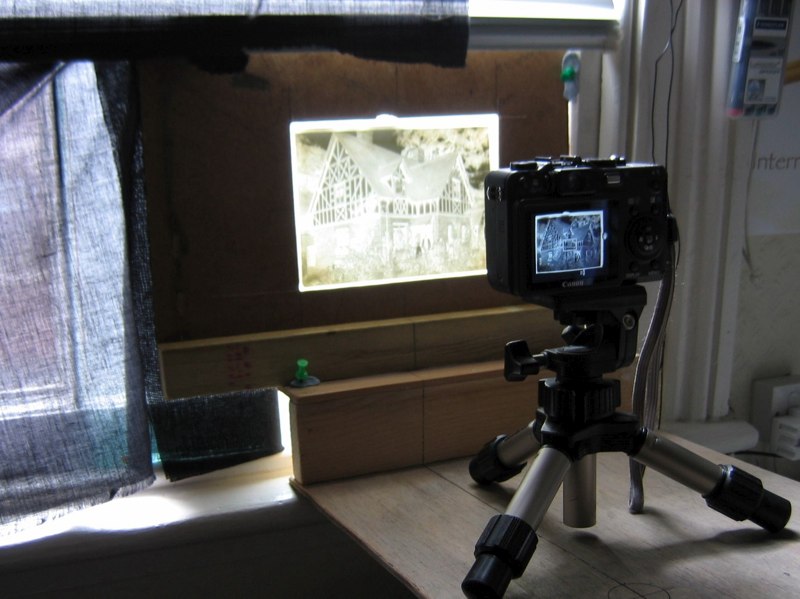
After cleaning, I scanned each plate but the process was slow and inconsistent. With only an A4 scanner the method was only suitable for the smaller plates, and some were as large as 25cm x 30cm. A different approach was called for, and after more trial and error I achieved an acceptable result by photographing each glass plate with a digital camera.
Two sizes of wooden box; the larger containing up to 50 glass plates and the first boxes to be scanned. There were 8 in all of these larger boxes containing a total of 367 plates, and they form part of this collection.

A card box for 12 plates. The divider made a gap between each plate to prevent damage, and cork strips on the base gave extra protection. The boxes date from late 1800’s. These boxes were the last to be found on that top shelf.

The first attempt. A scanner, and a card template to hold the glass plate in a consistent position for each scan
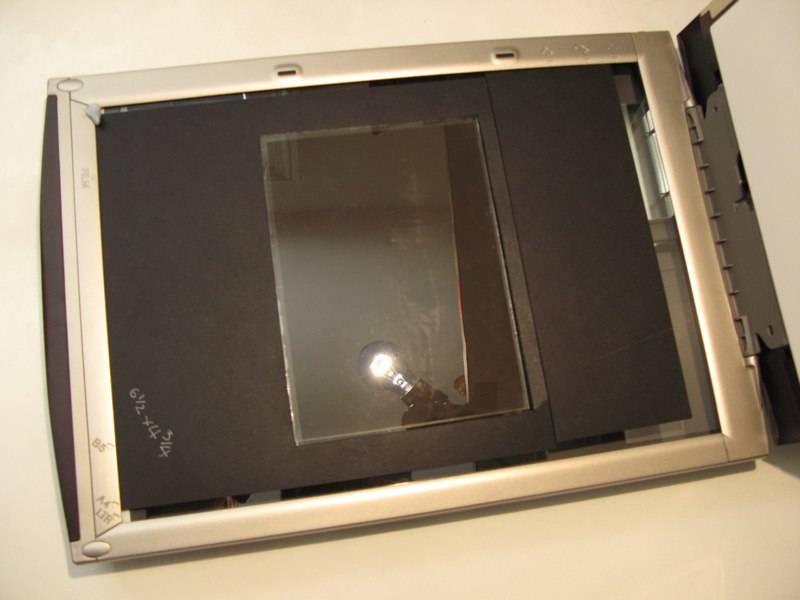
The amount of light was critical. The paper diffused the light. Some plates scanned well with daylight, others needed a daylight lamp. Sometimes it took ten scans before obtaining a satisfactory result
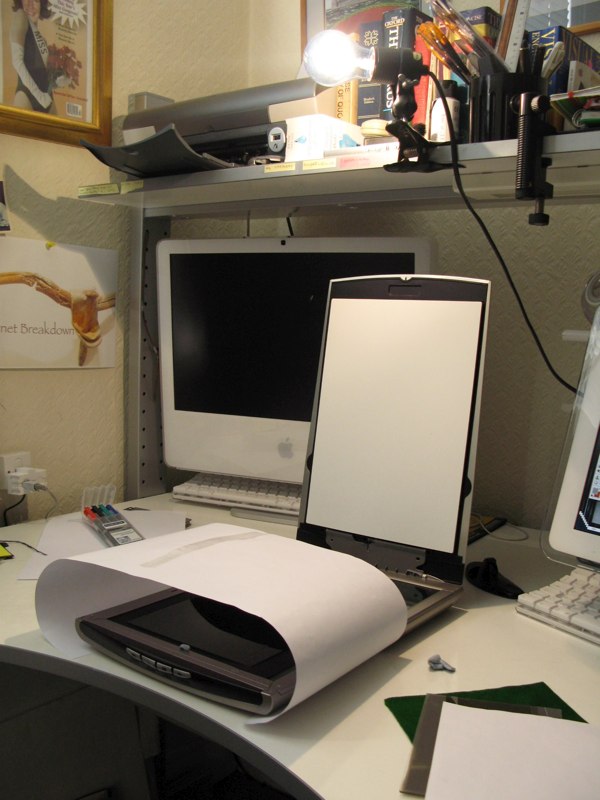
The next idea. These glass negatives were too large for the scanner, and led to the photographic solution.
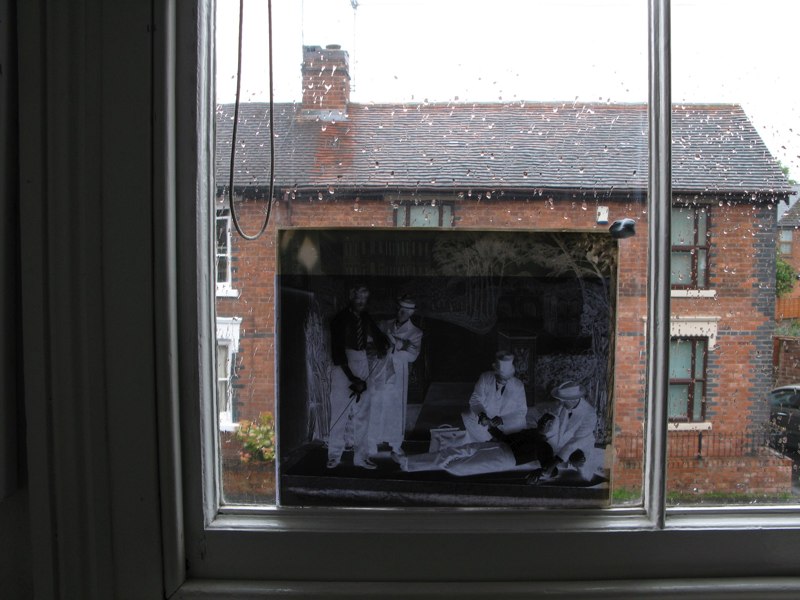
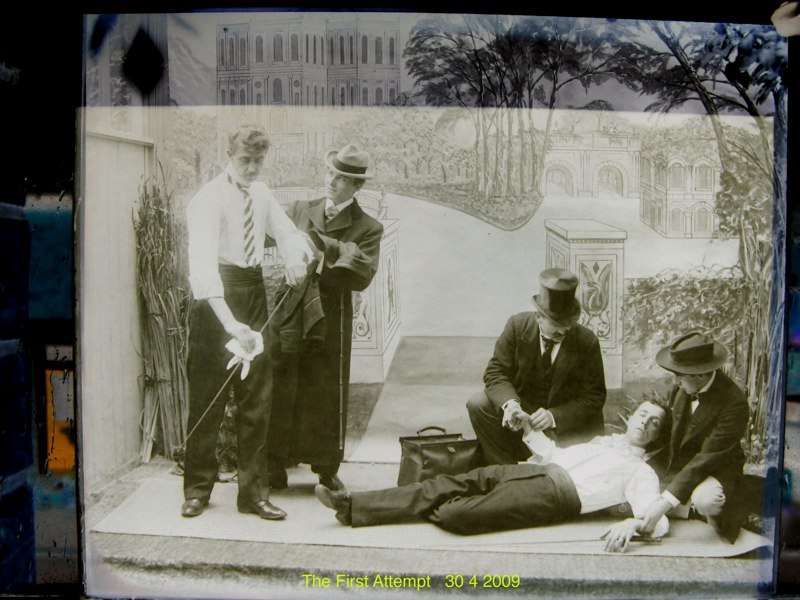
The photo inverted

In more detail.
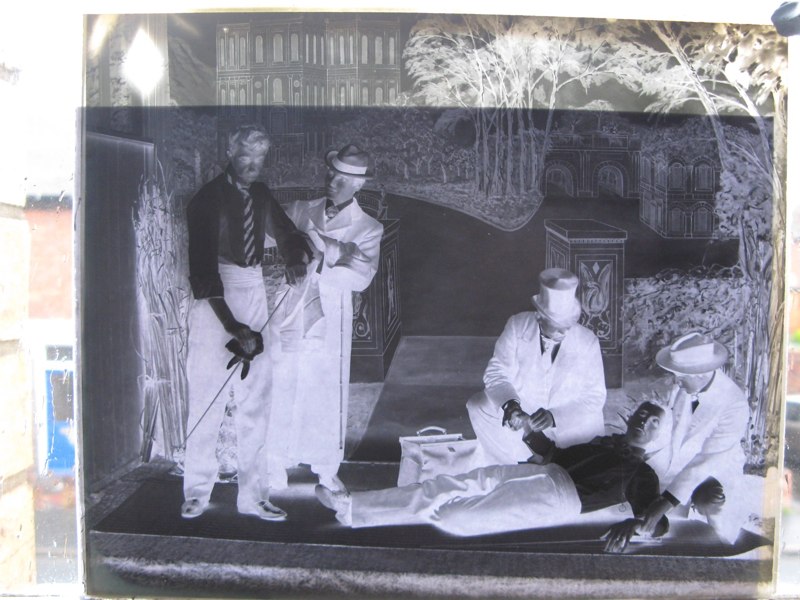
The first print
The idea develops. A ground glass plate sits against the window, The hardboard holds each plate. The camera is set on a tripod in a fixed position
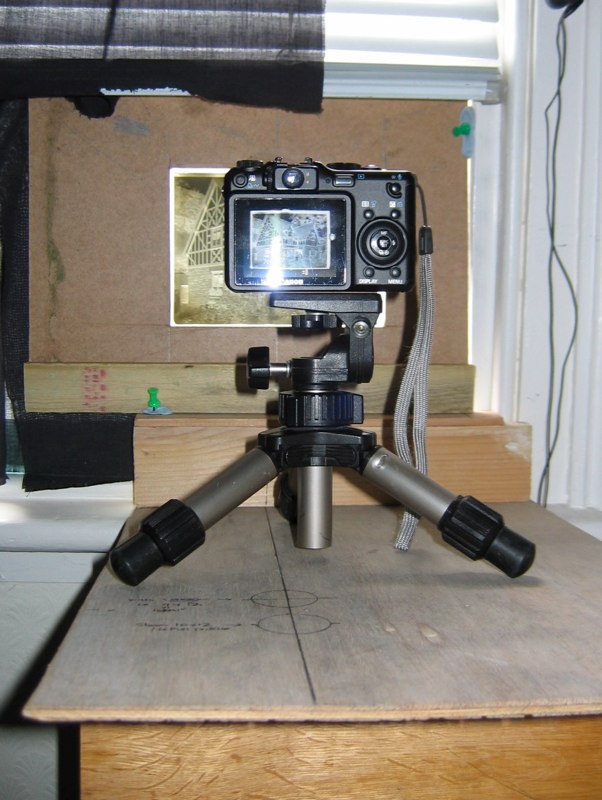
Remember to set to macro. And a 2 second delay so no chance of camera shake. Then download to Photoshop and invert.